
Technology references
Where this technology is already used in practice
Below is a representative overview of the areas where reflective insulation and protective coating systems are used – from industrial operations and public buildings through historic buildings to apartments, houses, and residential association roofs.
Selected examples of use
A technology used from large industrial sites to specific problem apartments
Large operations and demanding facilities
- ŠKODA AUTO Mladá Boleslav
- Nuclear power plants
- Unipetrol Litvínov
- Westfield
A strong demonstration that the technology is used even where the demands on reliability, safety, operational stability, and long-term effect are high.
Schools, municipalities, and public buildings
- Neratovice kindergarten
- City of Kladno
- buildings with school and operational loads
Important where the combination of functionality, budget, speed of delivery, and less disruption to the building's operation is decisive.
Buildings where appearance and details matter
- Vrbenský Barracks, Hradec Králové
- facades in Karlovy Vary
- historic apartments and older houses
This is exactly where the advantage of a minimal layer thickness and less intervention in the building's original details stands out.
Overview of use
What these examples show at a glance
Overheating roofs and facades
shopping centers, residential association roofs, apartment buildings, industrial and commercial buildings
Mold and moisture
apartments, basements, garages, older houses, schools, and problem interiors
Thermal bridges and freezing walls
prefab apartment blocks, kitchens, hallways, skylights, cellars, and apartment walls
Technology and operations
energy, the chemical industry, HVAC, production sites, and technical units
Historic buildings
barracks, older townhouses, heritage-sensitive facades, and renovations
Residential use
apartments, family houses, new builds, terraced houses, cottages, and shared residential spaces
Examples from practice
Typical scenarios in which the technology appears
01
A large operation addressing thermal load and safety
Industrial and energy applications show use on technological equipment, roofs, and operations where surface protection, loss reduction, and higher operational safety matter.
02
A building that overheats in summer and suffers from swings in winter
Typical for flat roofs, facades, and top-floor apartments. The references show use precisely where the client is looking for a faster and less bulky solution than a conventional heavy build-up.
03
Mold or condensation keeps returning indoors
A common scenario in apartments, cellars, basements, or older houses. It repeats very often in public examples, confirming the technology's strong use in interiors.
04
A building sensitive to appearance or details
For historic and architecturally sensitive buildings, the minimal layer thickness and less intervention in the details, reveals, parapets, or the original articulation of the facade is exactly what makes sense.
Representative examples
Examples that illustrate the breadth of this technology's use
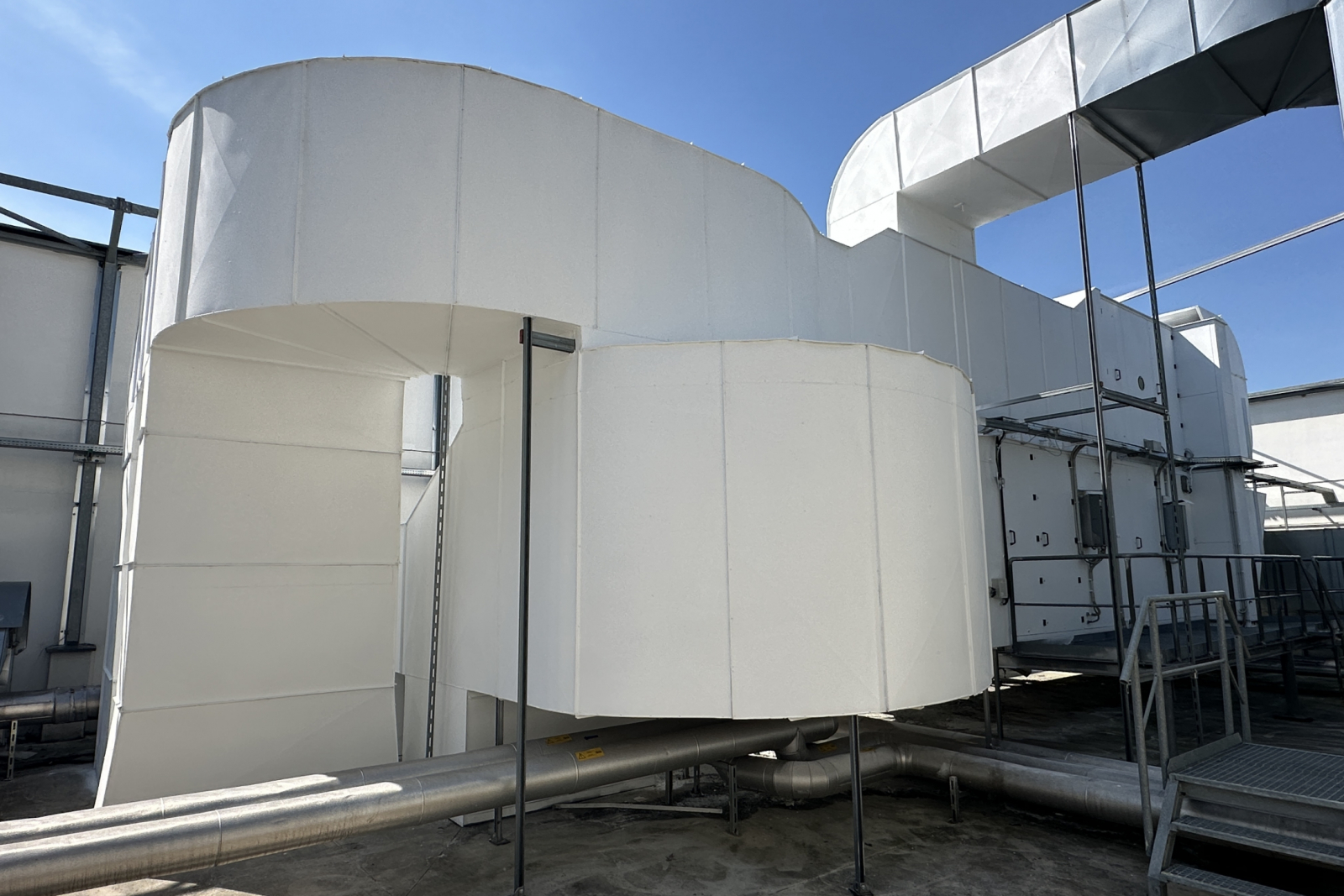
Commercial / roof / cooling
Westfield
An example of use on a large commercial building where reducing overheating and managing the thermal load of exposed surfaces is important.
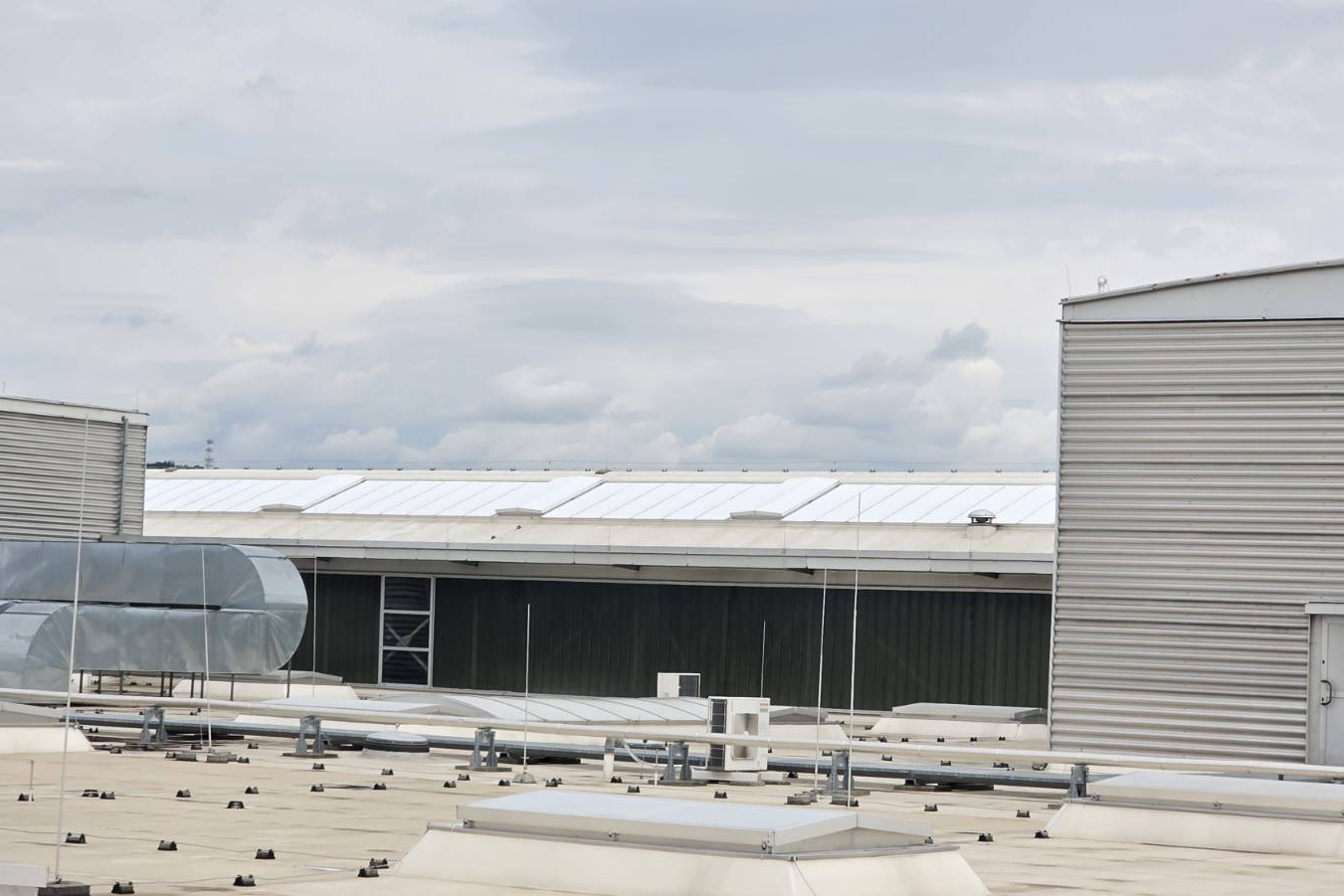
Automotive / production
ŠKODA AUTO Mladá Boleslav
An example of use in an industrial site with high demands on operation, reliability, and a functional result.
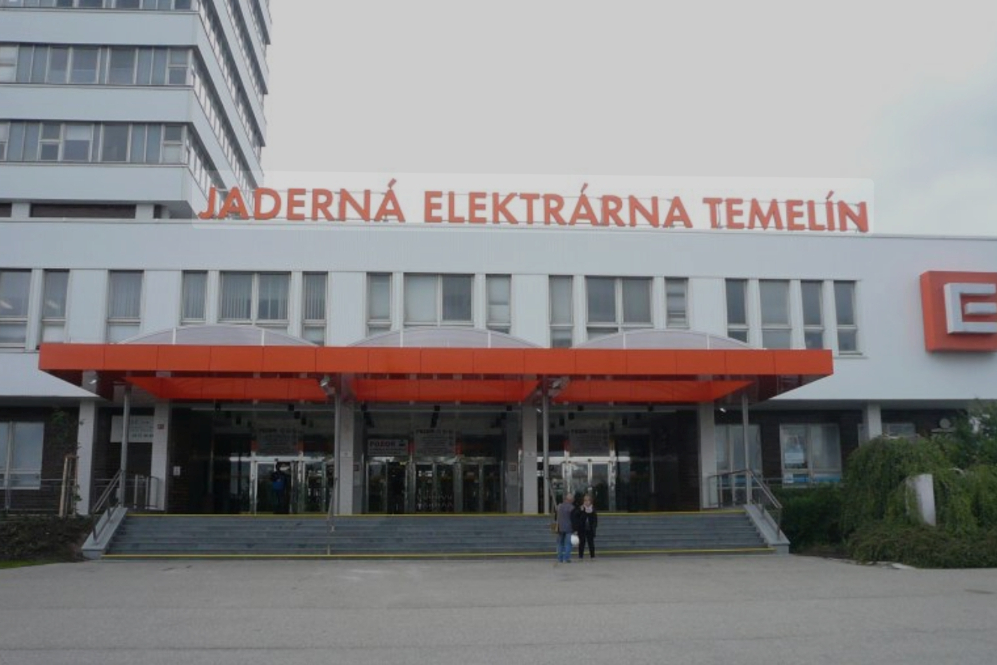
Energy
Temelín Nuclear Power Plant
An example of the technology used even in an environment that places great emphasis on safety, technical discipline, and long-term stability.
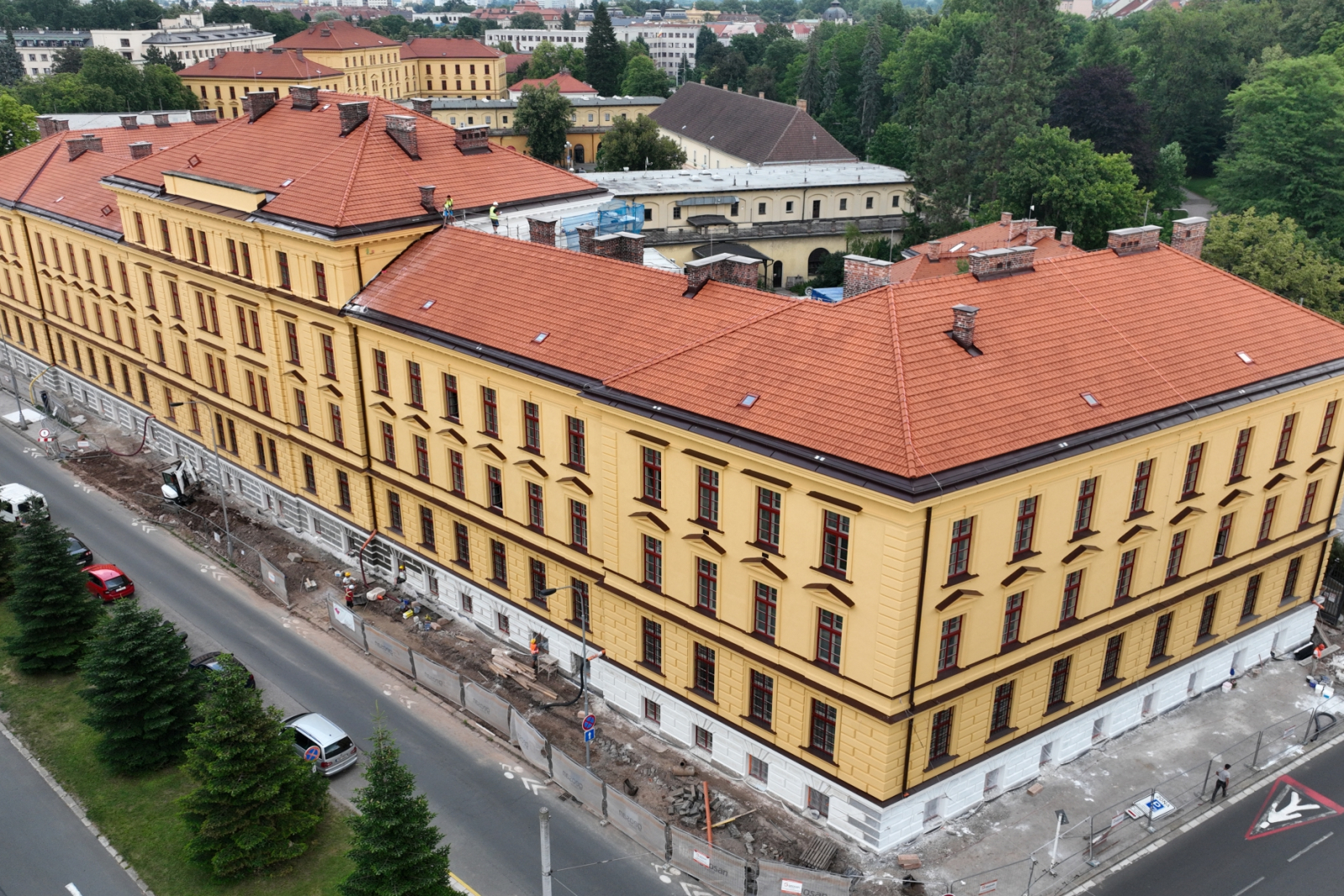
Historic building
Vrbenský Barracks
An example of sensitive use where preserving the character of the building matters and a bulky additional build-up is not an option.
Municipality / public building
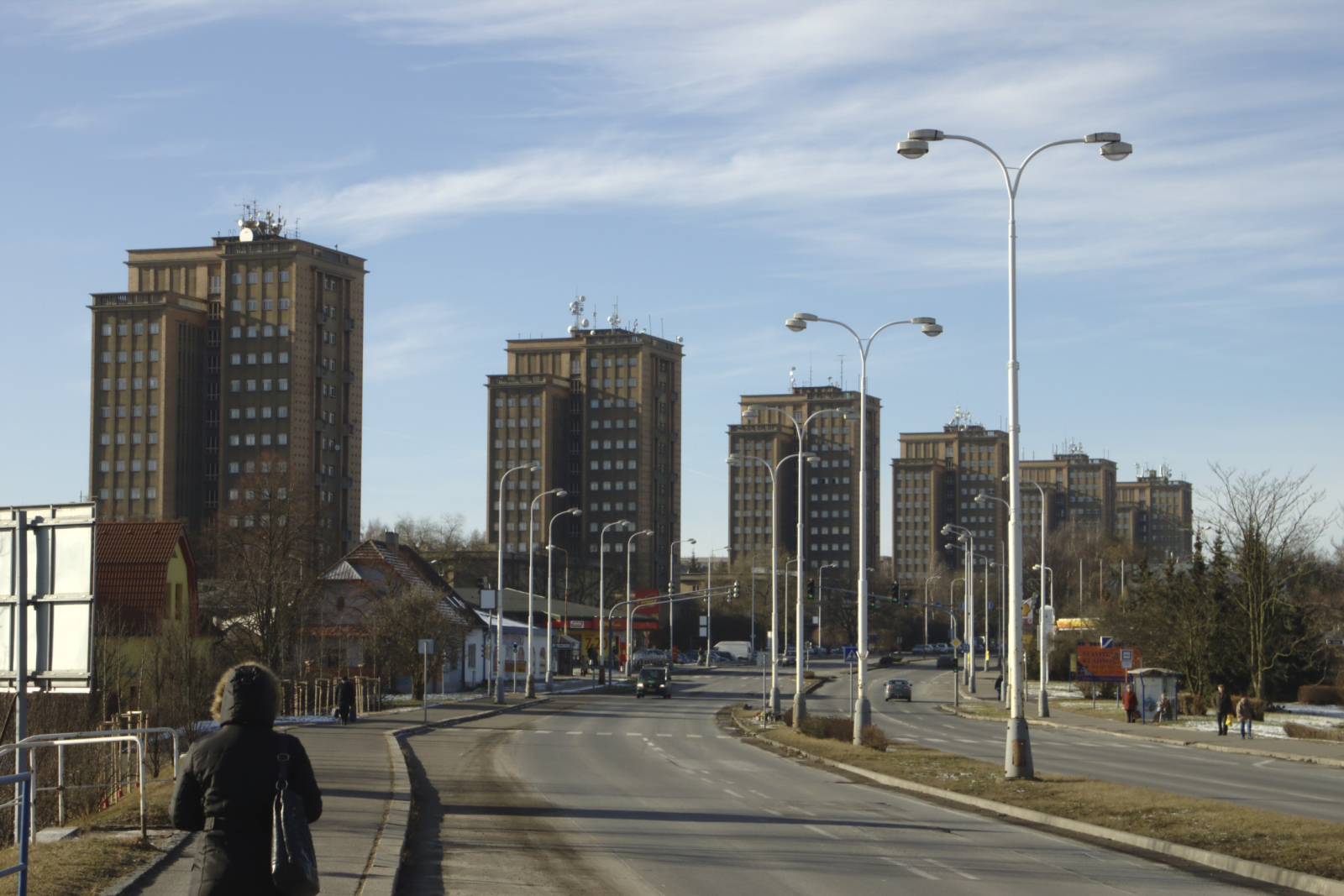
City of Kladno and school buildings
Public buildings show the practical use of the technology where operation, budget, and the sensibility of the intervention all play a role.
Home / interior
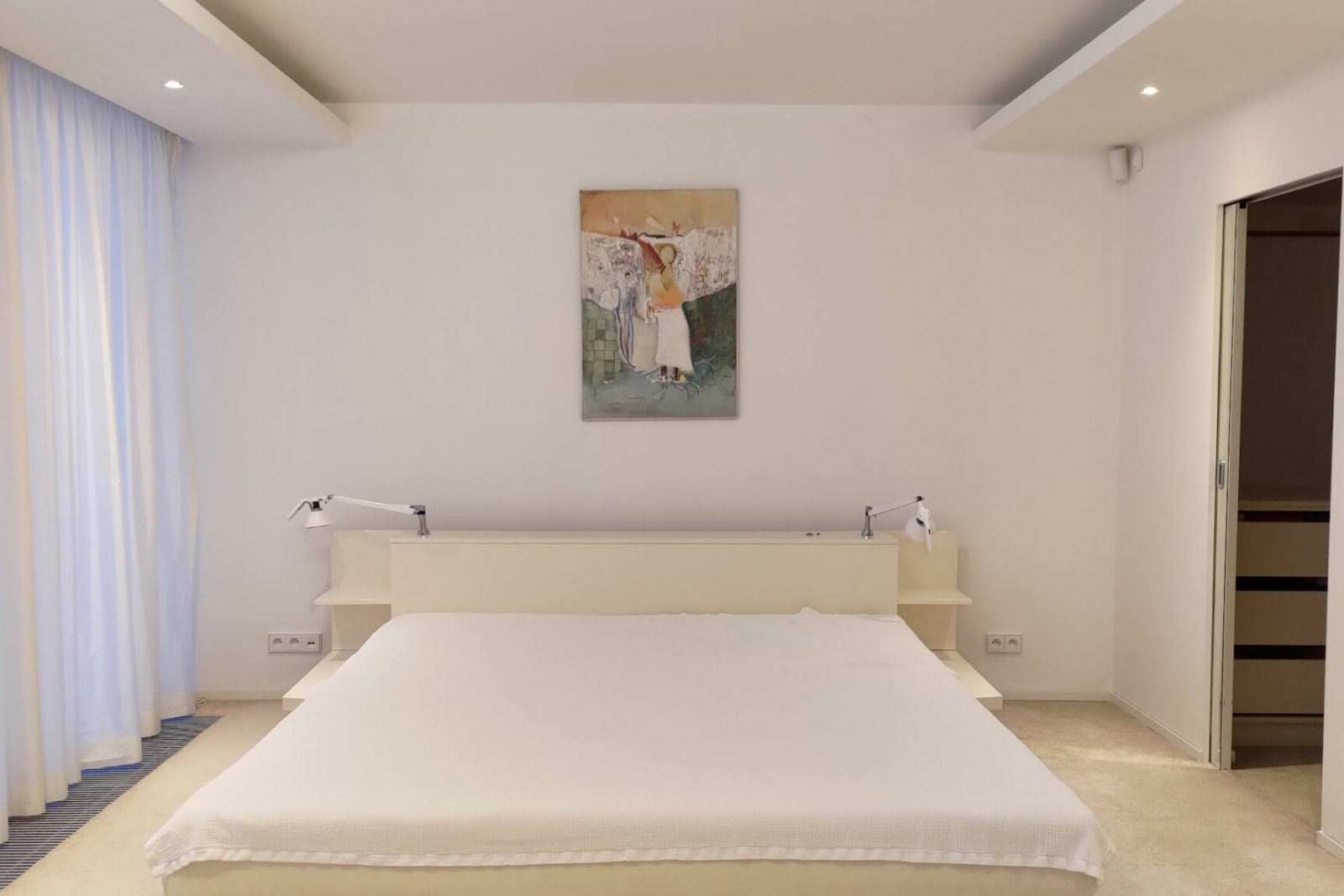
Apartments, garages, cellars, basements
Experience with eliminating mold, moisture, cold walls, and thermal bridges – the problems people deal with most often at home.
What this tells us
This technology is not for just one type of building
Publicly available examples show that it is used on industrial buildings, roofs, facades, historic buildings, and in ordinary apartments and houses. That is a strong argument especially for clients looking for a solution outside the standard template.
Broad use
from the energy sector to households
Strong on details
where a conventional build-up complicates the solution
Real practice
not theory, but specific examples of use
Want to assess whether this technology is right for your building too?
Describe the building type, the problem, and the approximate scope. We will recommend whether it makes sense to continue in this direction.
Want a no-obligation quote?
It takes 2 minutes
No-obligation inquiry